
Harmonism: A Practical Orientation for Living
The three pillars and four practices that support attention, work, rest, care, and creation in everyday life.
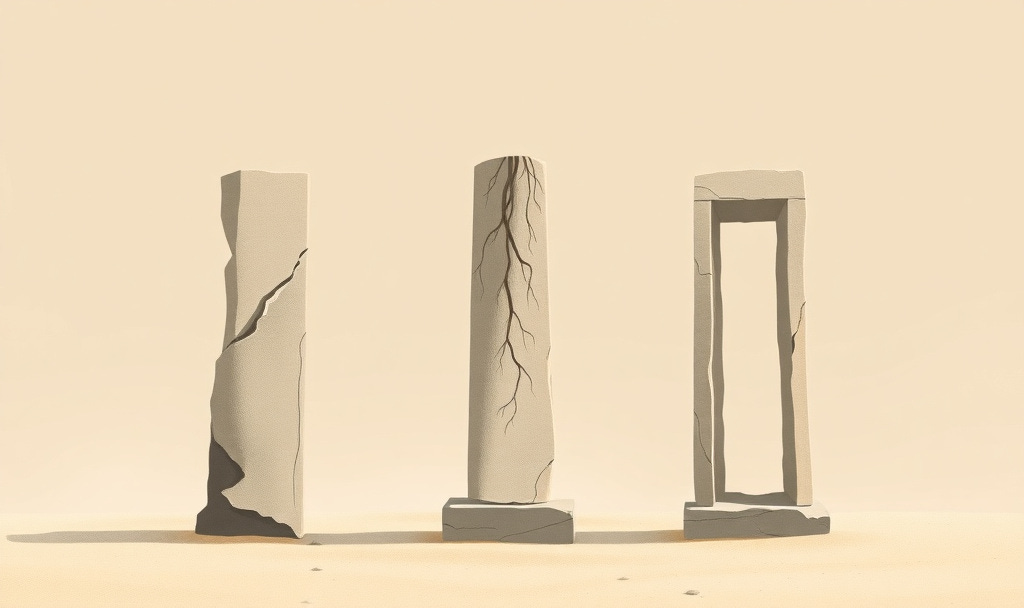
The Three Pillars of Harmonism
The pillars are not doctrines to believe in.
They are truths to orient around.
They do not explain life.
They describe how life already behaves.
Ignore one, and practice turns brittle, moralized, or performative.
Pillar One: Impermanence
Everything changes.
This is not a spiritual idea.
It is a daily, physical fact.
Bodies age.
Energy fluctuates.
Work seasons rise and fall.
Relationships shift.
Attention moves.
Suffering increases when we relate to temporary conditions as if they were fixed.
Harmonism treats impermanence as grounding, not destabilizing.
Practically, this means:
designing life for change, not permanence
letting intensity come and go without clinging
allowing rest, decline, and renewal as part of the same cycle
releasing identities, roles, and rhythms when they’ve expired
Impermanence does not mean nothing matters.
It means nothing can be held forever—and forcing it creates damage.
Practice adapts because life does.
Pillar Two: Interdependence
Nothing happens in isolation.
No act is self-contained.
No effort is purely personal.
No life is privately lived.
Attention affects work.
Work affects rest.
Rest affects care.
Care affects creation.
Creation feeds back into everything else.
Fragmentation happens when these relationships are ignored.
Harmonism treats coherence as relational, not individual.
Practically, this means:
aligning actions with the systems they participate in
recognizing where energy is borrowed, extracted, or depleted
taking responsibility without pretending to be independent
designing work, rest, and care so they support one another
Interdependence removes the fantasy of self-sufficiency.
It also removes the fantasy of total control.
You are not alone in anything you do—whether you acknowledge it or not.
Practice becomes ethical when relationships are seen clearly.
Pillar Three: Emptiness
Nothing exists as a solid, fixed thing—not even you.
This does not mean nothing exists.
It means nothing exists independently, permanently, or with a stable essence.
Roles are provisional.
Stories are constructed.
Identities are useful until they aren’t.
Harmonism treats emptiness as flexibility, not nihilism.
Practically, this means:
relating to thoughts, emotions, and identities as movements, not truths
letting meaning emerge through contact, not definition
creating without fusing self-worth to output
releasing the need for a final, correct version of yourself
Emptiness prevents Harmonism from turning into ideology.
It keeps practice adaptive.
It allows humility without collapse.
It makes room for care without self-erasure.
When emptiness is understood, nothing has to be defended.
The pillars do not tell you what to do.
They tell you how reality already moves.
Practice becomes possible when you stop arguing with that.